
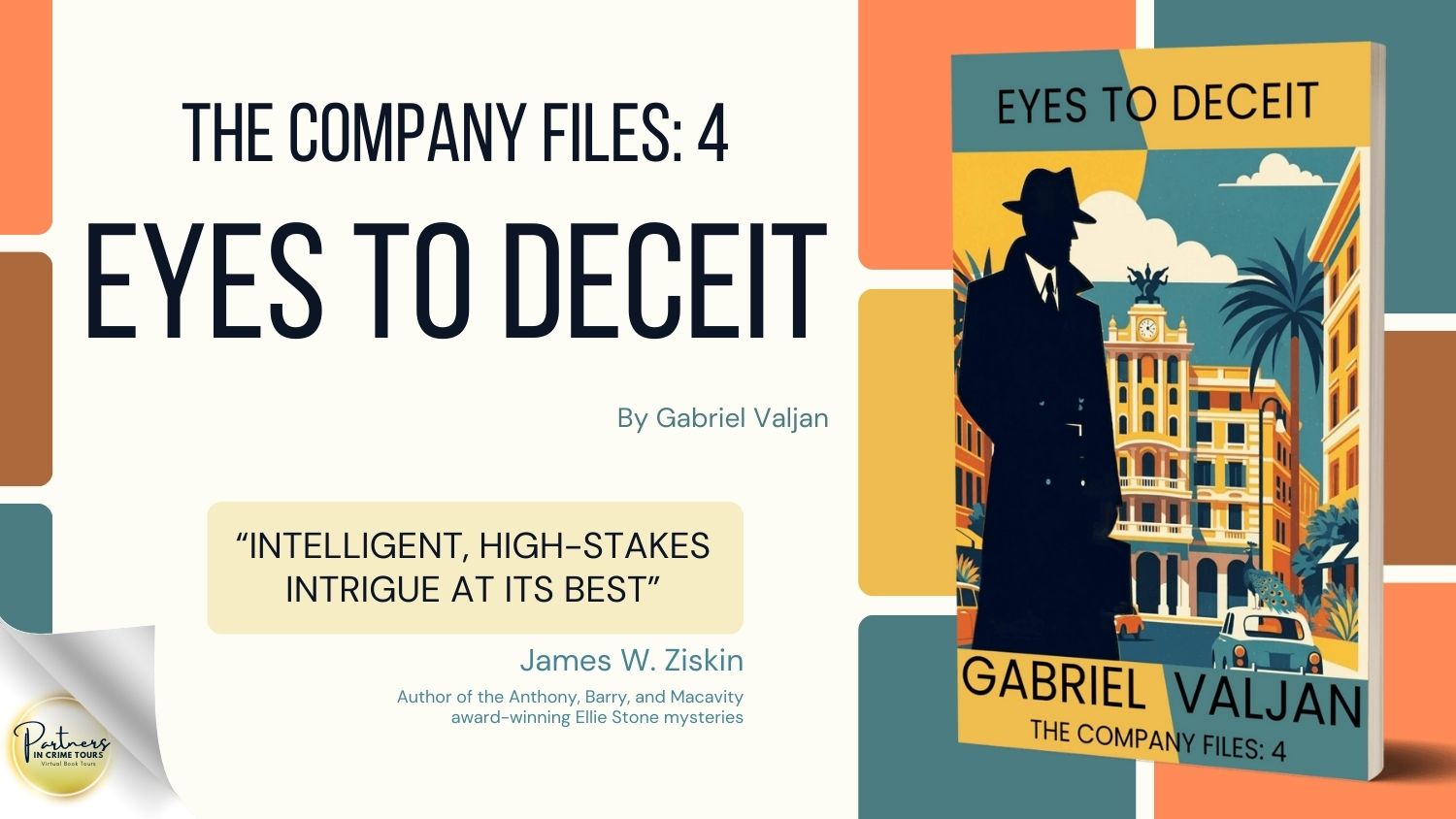
Eyes to Deceit by Gabriel Valjan
Book & Author Info + A Guest Post + an Excerpt!
Don’t miss any book tour posts. Click the link here for more.
Eyes to Deceit
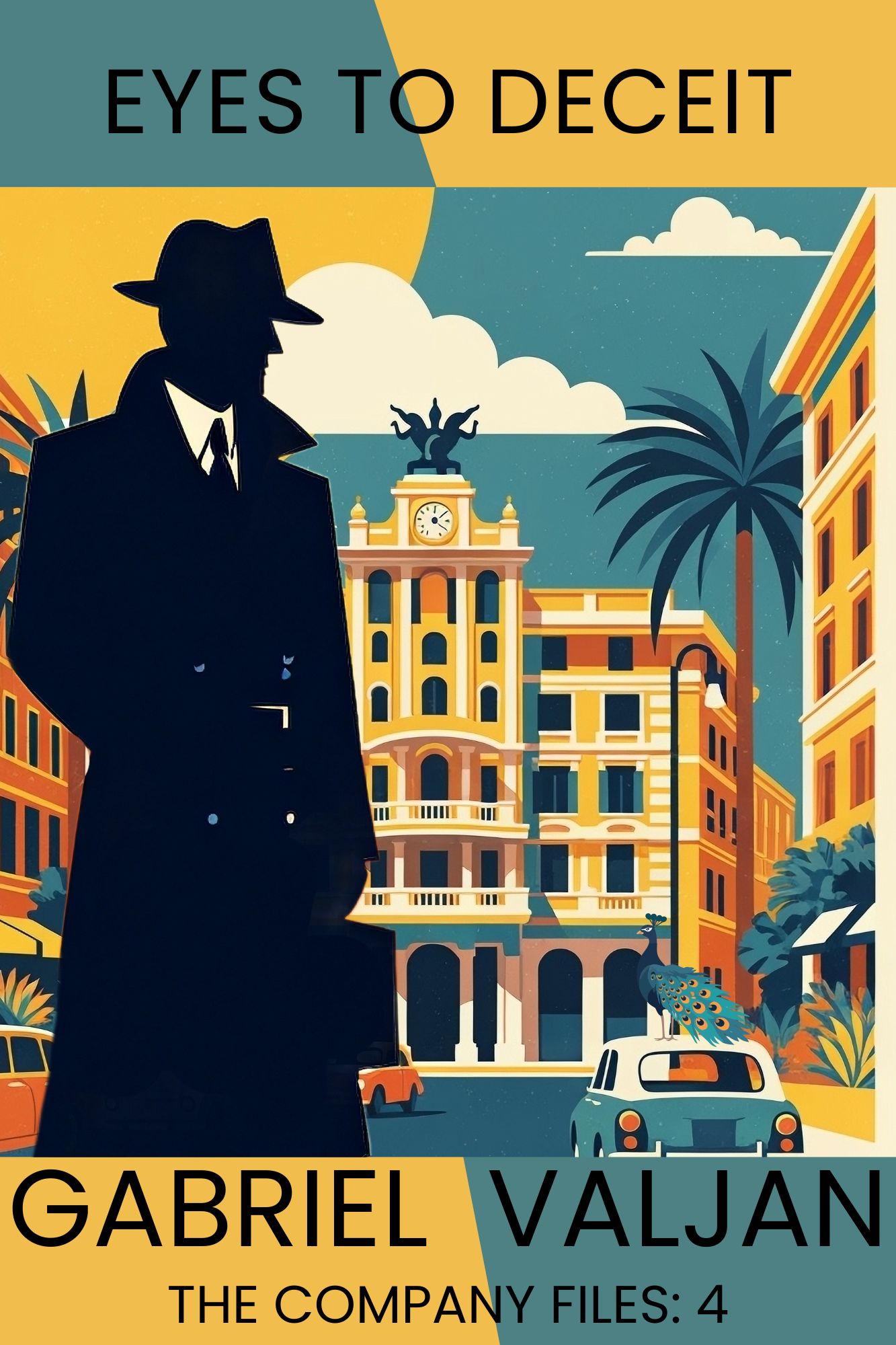
THE COMPANY FILES: 4
Espionage is easy. Living with it isn’t.
The Company named it Operation Ajax. MI6 labeled it Boot. History would call it a coup.
Walker calls it the beginning of the end.
1953. The Company is orchestrating the overthrow of Iran’s elected leader—an operation cloaked in propaganda and alliances. In Rome, Walker is stationed with Leslie, former M16 and now Company agent, and tasked to coordinate efforts between the US and UK. But when resources on the ground become a liability, Walker is forced to make a difficult decision—one that threatens to unravel what’s left of his conscience.
As the coup’s first attempt crumbles and Washington grows desperate, old loyalties shift. Allen Dulles wants results. Kim Roosevelt wants glory. Darbyshire feels left out. And Walker begins to suspect he’s not there to help win the Cold War, but to prove he can stomach it.
From Missouri to Rome to the Catskills to Tehran, EYES TO DECEIT explores postwar American idealism—and the spies who find themselves too loyal, too late, to walk away clean.
For readers of le Carré, Furst, Kanon, and Vidich this is espionage at its most personal—and most perilous.
Praise for EYES TO DECEIT:
“A remarkable, fly-on-the-wall story of Cold War realpolitik, Gabriel Valjan’s EYES TO DECEIT careens from Rockefeller Center to a Catskill resort to Rome and Tehran, giving readers a front-row seat to the plotting of the 1953 CIA and MI6 overthrow of the Iranian government. With noteworthy cameos from the famous, the powerful, and the ruthless, EYES TO DECEIT is intelligent, high-stakes intrigue at its best.”
~ James W. Ziskin, Author of the Anthony, Barry, and Macavity award-winning Ellie Stone mysteries
“The burdens of history and secrecy weigh heavily, gracing this excellent historical espionage novel with a gritty, nuanced, and ominous sensibility where betrayal is always possible. Even that of your own soul.”
~ James R. Benn, author of the Billy Boyle WWII mystery series
Book Details:
Genre: Literary Noir, Historical Fiction, Classic Spy Fiction
Published by: Level Best Books
Publication Date: November 4, 2025
Number of Pages: 212 pages, Paperback
ISBN: 9798898200510, Paperback
Series: The Company Files, Book 4
To purchase Eyes to Deceit, click any of the following Links: Amazon | Kindle | Barnes & Noble | BookShop.org | Goodreads
The Company Files
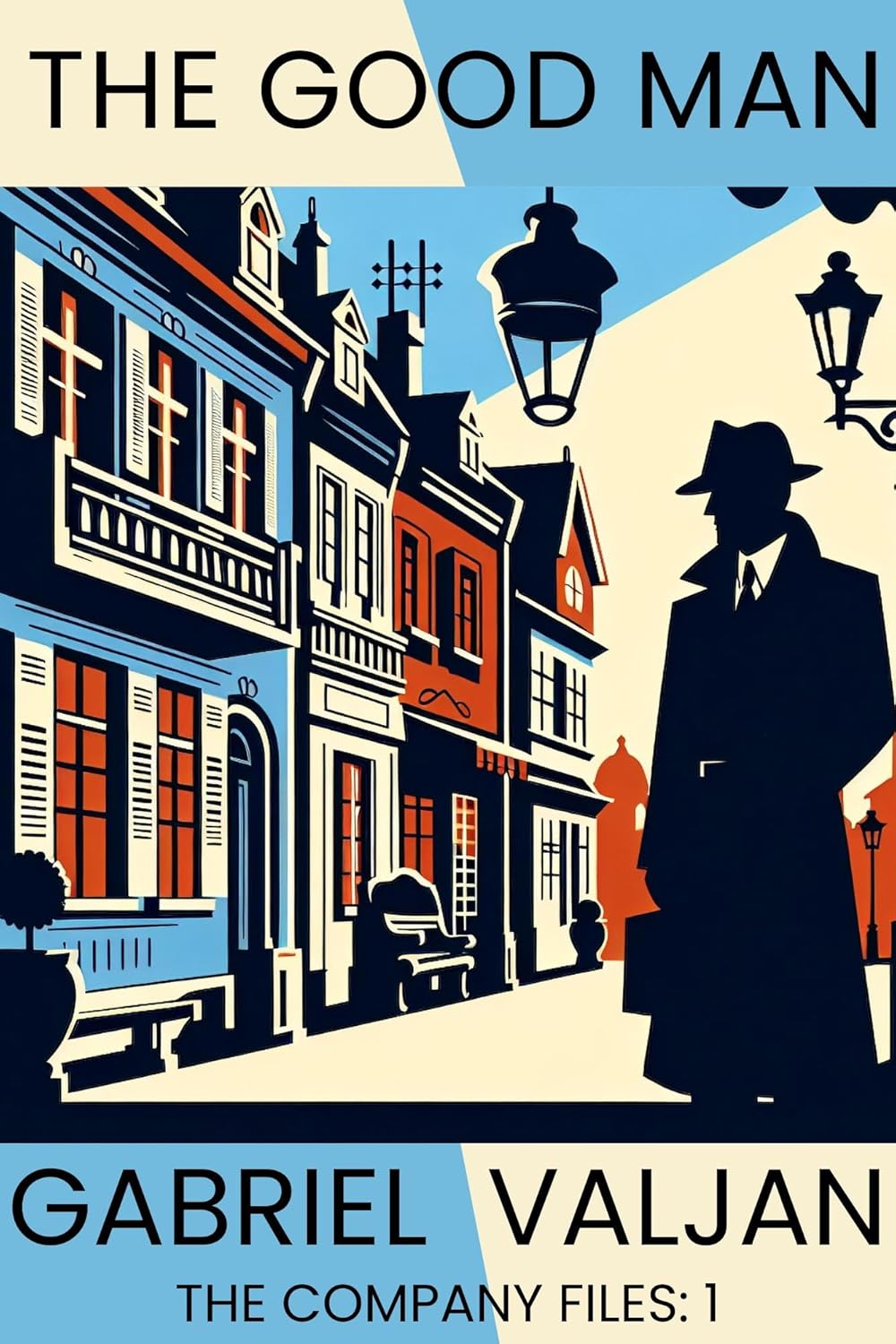
The Good ManAmazon | Barnes & Noble | BookShop.org | Goodreads | BookBub |
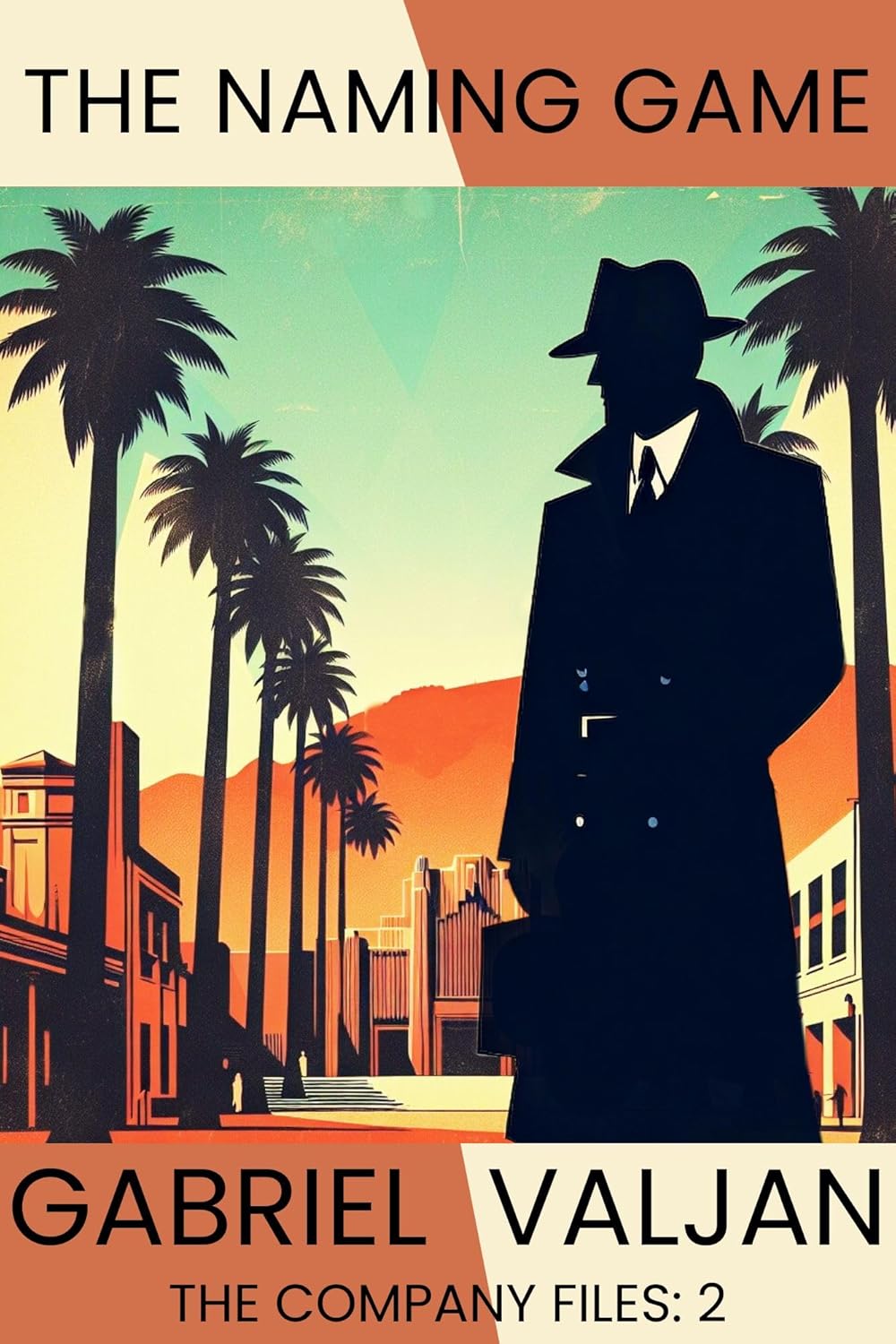
The Naming GameAmazon | Barnes & Noble | BookShop.org | Goodreads | BookBub |

The Devil’s MusicAmazon | Barnes & Noble | BookShop.org | Goodreads | BookBub |
Guest Post by Gabriel Valjan
Distilling Suspense: Sparse Prose as a Tool of Tension
In writing historical noir, I’ve often found that less can be more. Long, descriptive paragraphs can immerse a reader in place and mood, but they can also dilute the stakes. I aim for distillation: paring prose down so that every sentence drives the reader’s eye, the story’s momentum, and the tension. In a scene from my novel, EYES TO DECEIT, my character Tania moves through a social setting into a women’s restroom where a ‘friend’ has been humiliated by mean girls. The scene exemplifies how sparse prose can make readers more active participants and heighten suspense.
Top-Down Movement
The prose moves deliberately from surface action to consequence to reflection, almost like a camera panning from ceiling to floor to subject. Consider the opening:
“Tania moved fast, her shoes clicked sharply on the floor. She fished a five-dollar bill from her clutch and approached a housekeeper in the hallway.”
The sentences are short, direct, and cumulative. Each line delivers only what is necessary for the reader to follow—and yet, together they create a flowing sequence of cause and effect. By structuring the text “top-down,” I hope to make readers feel the urgency in Tania’s steps and the stakes of every gesture.
Economy Invites Engagement
Rather than explaining emotions in long paragraphs, I rely on physical movement and minimal internal beats:
“This wasn’t strategy. She wasn’t gaining leverage. And still, her feet moved.”
Here, Tania’s thought is distilled into three lines that simultaneously convey deliberation, restraint, and momentum. The reader fills in the internal calculation, becoming a co-conspirator in the scene. Sparse writing doesn’t mean the reader experiences less; it means they must engage more deeply to imagine the space, the smell, and the tension.
Sensory cues are similarly minimal but effective:
“The air was thick with sweat and nausea, sharp like unchanged hospital linens.”
A single line signals environment, stakes, and discomfort without slowing the pace.
Small Gestures, High Stakes
Distillation amplifies the significance of small actions. Handing a toilet paper roll or peppermint seems mundane, but context charges each gesture with weight:
“Tania handed Ruth the roll of paper and a small perfume atomizer. ‘Tell her it’s from London. She’ll like it.’”
“Tania offered her the drink. ‘Peppermint helps nausea,’ she said.”
Because the prose is stripped of extraneous description, these tiny acts carry moral, emotional, and narrative consequences.
Micro-Delays and Suspense
Short, distilled sentences allow for internal beats that punctuate action and heighten tension. When Tania waits for a reaction or contemplates her next move, the pacing slows just enough to let suspense settle:
“Silence settled between them. Tania met her eyes. ‘Want revenge?’”
The brevity makes the pause more striking. Internal reflection and dialogue are interwoven so that suspense is felt as a rhythm, not just a plot point.
Distillation as Characterization
Sparse prose doesn’t just heighten tension—it reveals character. Through minimal lines, we understand Tania’s decisiveness, her moral ambiguity, and her calculation. Her competence is apparent in what she does, not what she explains.
In this scene, distillation allows the narrative to move quickly while maintaining tension and complexity. Each step, each gesture, and each pause matters. By paring prose down to essentials—physical action, selective detail, and brief internal beats—the reader becomes an active participant in suspense, imagination, and character assessment. In high-stakes environments, brevity itself becomes a crucible for tension, morality, and agency—power.
Read an excerpt of Eyes to Deceit:
Tania moved fast, her shoes clicked sharply on the floor. She fished a five-dollar bill from her clutch and approached a housekeeper in the hallway.
“A roll of toilet paper, and in a discreet bag, please.”
The woman hesitated, but Tania’s eyes were steady, unblinking. She slid the bill into the woman’s shoulder strap with practiced ease.
“Take it,” Tania said softly. “In case someone accuses you of theft.”
The woman nodded.
Ruth led the way. Tania followed, her mind already ahead, calculating the next move. In the bathroom, she locked the door and leaned against the wall. She heard Judith’s groans.
“It’s me, Judy.”
“Tania?” Her voice was barely a whisper.
The air was thick with sweat and nausea, sharp like unchanged hospital linens. Tania handed Ruth the roll of paper and a small perfume atomizer.
“Tell her it’s from London. She’ll like it.”
Ruth nodded and slipped into the stall.
Tania stepped back into the hallway, then stopped. A girl sick and humiliated in a stall behind her. She caught her reflection in a wall sconce—lipstick fine, hair in place, eyes clear.
Decide now.
This wasn’t strategy. She wasn’t gaining leverage. And still, her feet moved.
When she returned, Judith was pale, shaken, but upright. Tania offered her the drink.
“Peppermint helps nausea,” she said.
Judith studied her. “I don’t know what kind of game you’re playing.”
“There’s no game,” Tania said. “You have to believe me.”
Judith hesitated. “You and your uncle seem awfully interested in my father.”
Tania unwrapped a mint. “It’s a secret,” she said. “Just not the kind you think.”
She leaned in. “The government wants something your father owns or controls. Sheldon’s the go-between.”
Judith stared at her. “That sounds shady.”
“It might be.”
Judith exhaled. “They spiked my drink. Esther and those girls. Laxatives.”
Tania nodded. “Brutal.”
Silence settled between them.
Tania met her eyes.
“Want revenge?”
Judith smiled.
And didn’t say no.
***
Excerpt from Eyes to Deceit: The Company Files by Gabriel Valjan. Copyright 2025 by Gabriel Valjan. Reproduced with permission from Gabriel Valjan. All rights reserved.
Gabriel Valjan

Gabriel Valjan is the author of The Company Files, and the Shane Cleary Mysteries with Level Best Books.
He has been nominated for the Agatha, Anthony, Derringer, and Silver Falchion awards. He received the 2021 Macavity Award for Best Short Story, and the Shamus Award for Best PI in 2023. Gabriel is a member of the Historical Novel Society, ITW, MWA, and Sisters in Crime. He lives in Boston and answers to a tuxedo cat named Munchkin.
To learn more about Gabriel, click any of the following links:
GabrielValjan.com
Amazon Author Profile
Goodreads
BookBub – @gvaljan
Instagram – @gabrielvaljan
BlueSky – @gvaljan.bsky.social
Tour Participants:
Click through the other tour stops for can’t-miss reviews, insider interviews, and exclusive guest posts, and more!
Click here to view the Tour Schedule
Elena Hartwell/Elena Taylor




Cool and interesting guest post! Thanks so much for sharing. 🙂
Agreed! Very cool.